

An eczema eating plan could be the missing piece in your skincare puzzle. While creams and medications provide temporary relief, what you put on your plate directly impacts your skin inflammation and overall healing process.
This comprehensive guide explores how specific dietary changes can calm irritated skin and reduce uncomfortable symptoms. You’ll discover powerful anti-inflammatory foods that support healing, identify common trigger foods to avoid, and learn how improving gut health connects to clearer skin. Whether you’re newly diagnosed or have battled this condition for years, understanding the food-skin connection empowers you to take control naturally and effectively.

Understanding the Connection Between Diet and Skin Health
Your skin reflects what happens inside your body. Research confirms that chronic inflammation plays a central role in eczema development. When you consume certain foods, your immune system may overreact, triggering uncomfortable symptoms on your skin’s surface.
An eczema eating plan focuses on reducing inflammatory responses through strategic food choices. Scientists have discovered that gut health directly influences skin conditions. This gut skin axis explains why dietary modifications often produce remarkable improvements in atopic dermatitis symptoms.
The concept isn’t new. Traditional medicine systems recognized food’s healing power centuries ago. Modern science now validates these approaches with clinical studies showing measurable symptom reduction through nutritional therapy.
Why Food Matters for Eczema Management
Every meal either fights inflammation or fuels it. Processed foods, refined sugars, and certain proteins can compromise your skin barrier function. Meanwhile, nutrient dense options strengthen your body’s natural defenses against flare-ups.
Key Components of an Effective Eczema Eating Plan
Building a successful eczema eating plan requires understanding which foods support healing. Focus on these essential elements:
Anti-Inflammatory Foods to Include
Omega-3 fatty acids stand out as powerful inflammation fighters. These healthy fats calm overactive immune responses and support skin repair.
- Fatty fish like salmon, mackerel, and sardines
- Walnuts and flaxseeds
- Chia seeds and hemp hearts
Probiotic rich foods improve digestive function and strengthen immunity. Yogurt, kefir, sauerkraut, and kimchi introduce beneficial bacteria that reduce inflammatory markers throughout your body.
Colorful fruits and vegetables deliver antioxidants that protect skin cells from damage. Berries, leafy greens, and sweet potatoes provide vitamins essential for tissue repair.
Common Trigger Foods to Avoid
Many people with eczema experience worsened symptoms after consuming specific items. While triggers vary individually, certain foods commonly cause problems:
- Dairy products
- Eggs
- Gluten containing grains
- Soy products
- Nuts (particularly peanuts)
- Shellfish
An elimination diet helps identify your personal triggers. Remove suspected foods for several weeks, then reintroduce them individually while monitoring your skin’s response.
Benefits of Following a Structured Eczema Eating Plan
Committing to an eczema eating plan delivers multiple advantages beyond clearer skin.
Reduced Flare-Up Frequency
Consistent dietary changes decrease the intensity and frequency of outbreaks. Many patients report significantly fewer episodes within weeks of adopting anti-inflammatory eating patterns.
Improved Overall Health
This approach benefits your entire body. Better digestion, increased energy, improved sleep, and enhanced mental clarity often accompany skin improvements. Your immune system functions more efficiently when properly nourished.
Decreased Medication Dependence
While medications remain important, dietary improvements may reduce reliance on topical steroids and other treatments. Always consult your dermatologist before adjusting prescriptions.
Practical Tips for Success
Implementing your eczema eating plan requires practical strategies:
- Plan meals weekly to ensure consistent nutrient intake
- Read food labels carefully for hidden allergens
- Cook at home more frequently to control ingredients
- Stay hydrated with filtered water throughout the day
- Keep a food diary to track reactions
Overcoming Common Challenges
Dietary changes present obstacles. Social situations, cravings, and convenience issues test your commitment. Prepare by researching restaurant menus beforehand and keeping compliant snacks available.
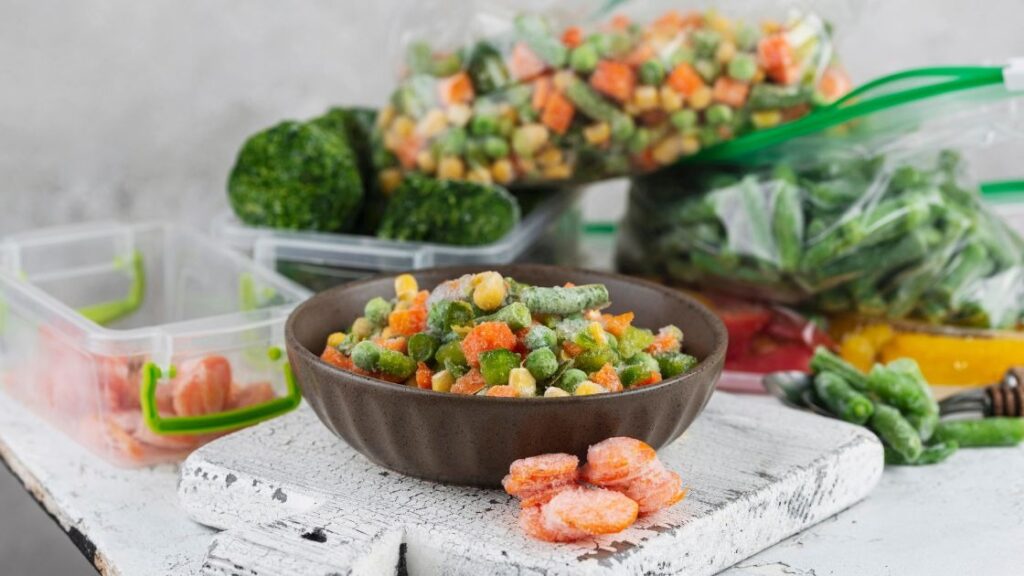
Budget concerns also arise since whole foods sometimes cost more than processed alternatives. Prioritize affordable options like frozen vegetables, canned fish, and seasonal produce to manage expenses effectively.
Working With Healthcare Professionals
Your eczema eating plan works best alongside professional guidance. Dermatologists assess skin improvements objectively. Registered dietitians ensure nutritional adequacy while eliminating trigger foods. Allergy testing may reveal specific sensitivities requiring attention.
Remember that dietary approaches complement rather than replace medical treatment. Severe cases require comprehensive care combining lifestyle modifications with appropriate medications.
Patience proves essential throughout this process. Skin regeneration takes time, and noticeable improvements typically appear after four to six weeks of consistent effort. Track your progress through photographs and symptom journals to stay motivated during your healing journey.
Conclusion
Taking control of your skin health starts with what you eat. An eczema eating plan offers a natural pathway toward reduced inflammation, fewer flare-ups, and lasting relief. By incorporating anti-inflammatory foods, eliminating personal triggers, and supporting gut health, you empower your body to heal from within.
Remember that consistency matters more than perfection. Small dietary changes accumulated over time produce significant results. Work closely with healthcare professionals to customize your approach and monitor progress. Your journey toward clearer, healthier skin through an eczema eating plan begins with your very next meal. Start today and give your skin the nourishment it deserves.