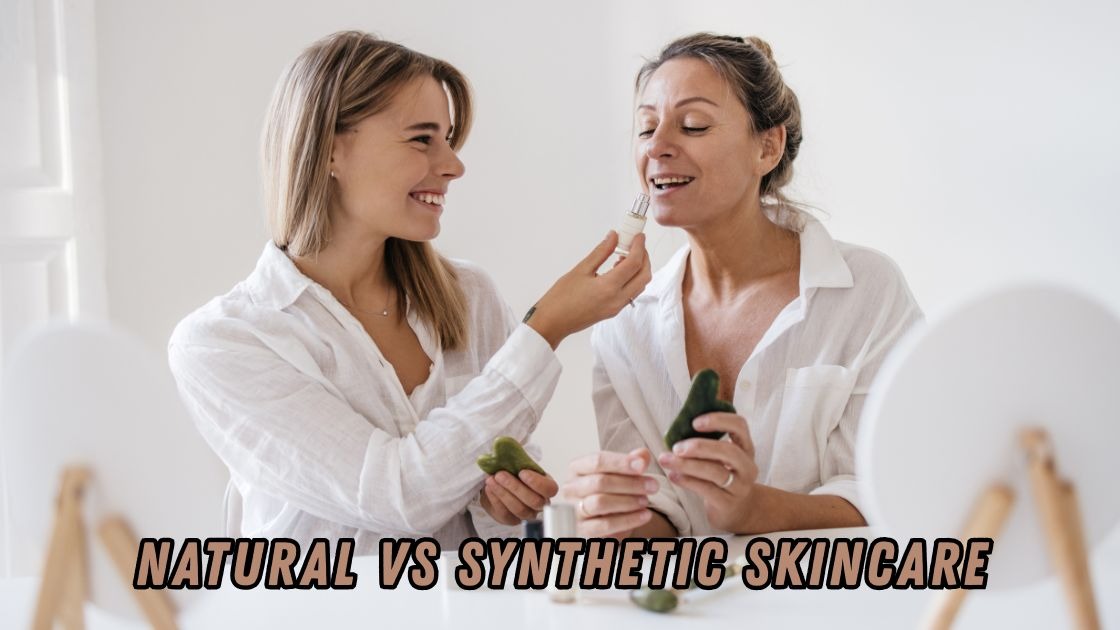
The debate around natural vs synthetic skincare has become one of the most talked-about topics in the beauty world today. With endless products lining store shelves, choosing between plant-based ingredients and lab-formulated compounds can feel overwhelming. Are organic extracts truly safer? Do chemical-based formulas deliver faster results? Understanding these differences is essential for building a skincare routine that actually works for your unique skin type.
In this comprehensive guide, we’ll explore the benefits and drawbacks of both approaches, examine how each affects your skin health, and help you make informed decisions about your beauty products. Whether you’re a clean beauty enthusiast or open to science-backed solutions, this article will give you the clarity you need.
Understanding the Basics of Natural vs Synthetic Skincare
When comparing natural vs synthetic skincare, it’s important to understand what each category truly means. Natural skincare refers to products formulated with plant-derived ingredients, minerals, and botanical extracts sourced directly from nature. These formulas often include items like aloe vera, coconut oil, shea butter, and essential oils.
Related Article: Natural Skincare vs Chemical: Microbiome Disruption and Skin Health Optimization
On the other hand, synthetic skincare involves ingredients created or modified in laboratories. These chemical compounds are designed to target specific skin concerns with precision and consistency. Common examples include retinoids, hyaluronic acid, and various peptides that have been scientifically tested for effectiveness.
A Brief History of Skincare Evolution
Skincare has ancient roots, with civilizations using herbal remedies and natural oils for centuries. Egyptians famously used olive oil and honey, while ancient Greeks relied on botanical treatments. The shift toward synthetic formulations began in the 20th century when scientists discovered they could isolate and recreate beneficial compounds in controlled environments.
Today, the natural vs synthetic skincare conversation has evolved significantly. Modern consumers are more educated and demand transparency about what goes into their beauty products.
Key Differences Between Natural and Synthetic Ingredients
Ingredient Sourcing and Processing
Natural ingredients come from plants, minerals, and sometimes animal sources. They undergo minimal processing to retain their original properties. Synthetic ingredients are manufactured through chemical processes, allowing for standardized formulations that deliver consistent results batch after batch.
How Each Type Works on Your Skin
The way natural vs synthetic skincare products interact with your skin varies considerably. Natural ingredients often work gently over time, providing nourishment and hydration through vitamins and antioxidants found in their original form.
Synthetic ingredients can penetrate deeper into the skin barrier and target specific cellular processes. For instance, laboratory-created retinol has been proven to stimulate collagen production more effectively than many natural alternatives.
Benefits of Natural Skincare Products
Choosing natural options in the natural vs synthetic skincare debate offers several advantages worth considering.
- Typically milder for delicate skin and reduces the risk of redness or discomfort
- Often contain antioxidants that protect against environmental damage
- Environmentally sustainable when sourced responsibly
- Free from artificial fragrances and harsh preservatives
- Support ethical and cruelty-free beauty practices
Many people with reactive skin find that natural formulas cause fewer allergic responses and work harmoniously with their body’s chemistry.
Benefits of Synthetic Skincare Products
Synthetic products also bring valuable benefits to the natural vs synthetic skincare discussion.
- Clinically tested and backed by scientific research
- Offer targeted solutions for specific concerns like acne or hyperpigmentation
- Longer shelf life due to stable preservative systems
- Consistent potency and effectiveness in every application
- Can address anti-aging concerns more aggressively
For those dealing with stubborn skin conditions, synthetic formulations often provide faster and more measurable results.
Challenges and Drawbacks to Consider
Concerns with Natural Products
While appealing, natural skincare isn’t without limitations. Some botanical ingredients can trigger allergic reactions in certain individuals. Natural products may also have shorter shelf lives and inconsistent potency depending on harvest conditions and sourcing.
Concerns with Synthetic Products
Synthetic formulas sometimes contain ingredients that irritate delicate skin. Certain chemicals have raised questions about long-term safety, though most regulated ingredients undergo rigorous testing before reaching consumers.

Tips for Making the Right Choice
Understanding natural vs synthetic skincare helps you build a personalized routine. Consider your skin concerns, sensitivity levels, and personal values when selecting products. Many dermatologists recommend a balanced approach, combining the gentleness of natural ingredients with the precision of synthetic actives.
Finding Your Perfect Balance
The best skincare routine often incorporates both categories strategically. You might use a natural facial cleanser while relying on a synthetic serum for targeted treatment. Monitor your skin’s reaction closely and modify your routine as needed.
Reading ingredient labels carefully and researching unfamiliar components will empower you to make confident decisions about your skincare journey.
Conclusion
The natural vs synthetic skincare debate ultimately comes down to personal preference, skin type, and individual goals. Both approaches offer valuable benefits when used correctly. Natural ingredients provide gentle, eco-friendly options, while synthetic formulations deliver targeted, science-backed results. Rather than choosing one over the other, consider blending both for a balanced skincare routine that addresses your unique concerns.
Understanding natural vs synthetic skincare empowers you to make informed decisions about your beauty regimen. Focus on what works for your skin, stay consistent, and always prioritize ingredient quality over marketing claims. Your journey to healthy, glowing skin starts with knowledge and ends with confidence.