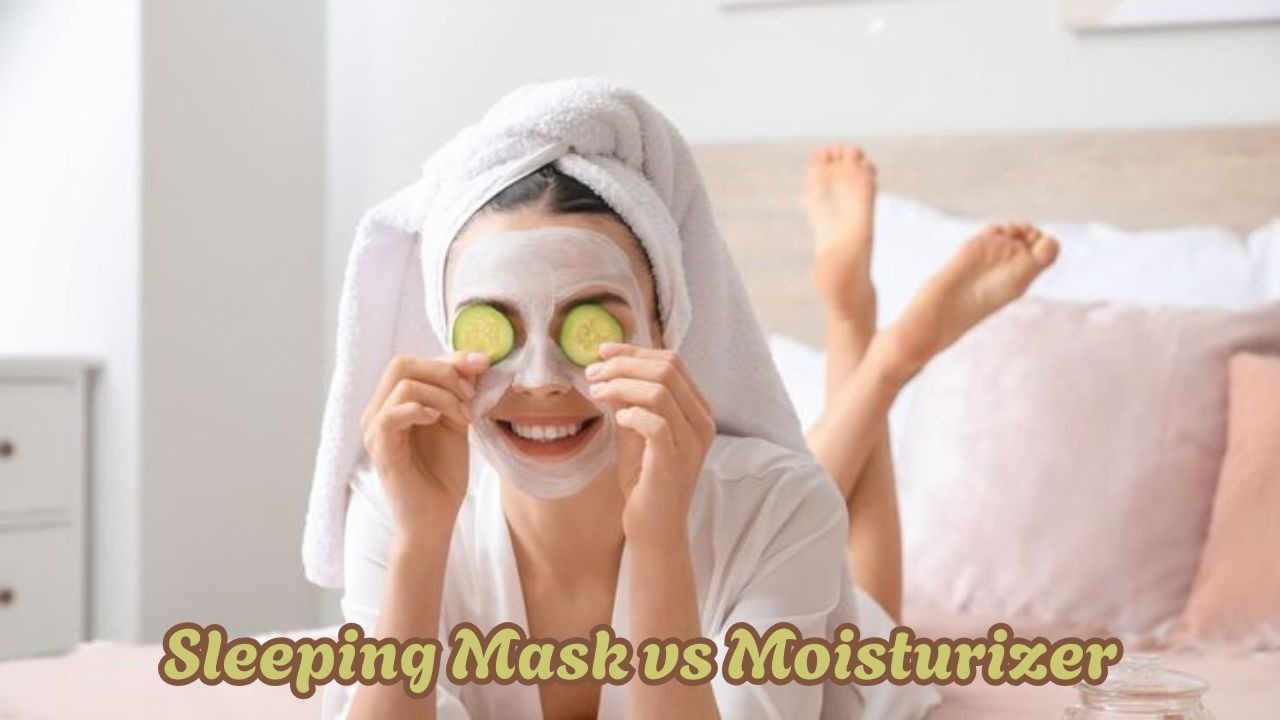
Understanding the difference between sleeping mask vs moisturizer can transform your nighttime regimen completely. Both products promise hydration, but they work in remarkably different ways. A night cream focuses on daily moisture maintenance, while an overnight mask delivers intensive treatment as you sleep. This article explores how each product benefits your skin barrier, which one suits dry skin better, and whether you need both in your skincare routine. We’ll also discuss hydrating ingredients and help you decide which option matches your unique skin concerns. By the end, you’ll know exactly which product deserves a spot on your nightstand.
Understanding the Basics of Nighttime Skincare
When comparing sleeping mask vs moisturizer, knowing what each product does becomes essential for building an effective routine. Both target hydration but serve different purposes in your skincare regimen.
What Is a Moisturizer?
A moisturizer is a daily essential designed to hydrate and protect your skin. It typically contains humectants like hyaluronic acid that draw water into the skin, along with emollients that soften and smooth the surface. Most people apply moisturizer twice daily to maintain optimal skin hydration levels. These products come in various textures including lotions, creams, and gels to suit different skin types.
What Is a Sleeping Mask?
A sleeping mask, also called an overnight mask or night treatment, is a leave-on product applied as the final step before bed. It creates a protective barrier that locks in all previous skincare layers while delivering concentrated active ingredients throughout the night. Unlike regular masks you wash off, sleeping masks work for six to eight hours, maximizing absorption during your skin’s natural repair cycle.
Key Differences Between Sleeping Mask vs Moisturizer
Understanding sleeping mask vs moisturizer differences helps you choose wisely. Here are the main distinctions:
- Texture and consistency vary significantly with sleeping masks being thicker and more occlusive than regular moisturizers.
- Frequency of use differs as moisturizers work daily while sleeping masks perform best two to three times weekly.
- Ingredient concentration tends to be higher in overnight masks for intensive treatment.
- Purpose and function separate them since moisturizers maintain hydration while masks provide therapeutic benefits.
- Application timing matters because moisturizers suit morning and night routines whereas sleeping masks remain exclusively for evening use.
How Each Product Works on Your Skin
Your skin barrier functions differently during daytime and nighttime hours. Moisturizers provide immediate hydration and create a light protective layer against environmental stressors. They absorb quickly and prepare your skin for makeup or sun protection.
Sleeping masks leverage your body’s nighttime regeneration process. Cell turnover increases while you sleep, making this the perfect window for deep hydration and repair. The occlusive nature of these masks prevents transepidermal water loss and allows beneficial ingredients to penetrate deeply.
Benefits and Drawbacks to Consider
Advantages of Using Both Products
The sleeping mask vs moisturizer debate often leads to discovering that both have unique advantages. Moisturizers offer lightweight daily protection that feels comfortable under sunscreen and makeup. They suit all seasons and work for every skin type from oily to dry skin.
Sleeping masks provide intensive care that regular moisturizers cannot match. They boost collagen production, fade dark spots, and deliver serious hydration to dehydrated skin. Many contain niacinamide, retinol, or vitamin C for enhanced results.
Potential Challenges
Heavy sleeping masks may cause breakouts for those with acne-prone skin. Some formulas feel too rich for humid climates or oily complexions. Moisturizers alone might not address severe dryness or aging concerns effectively.
Choosing the Right Option for Your Skin Type
For Dry and Mature Skin
Those with dry skin or aging concerns benefit tremendously from incorporating both products. Use your regular night cream daily and add a sleeping mask two to three times weekly for extra nourishment. Look for masks containing ceramides and peptides.
For Oily and Combination Skin
Lightweight gel moisturizers work wonderfully for daily use. Choose water-based sleeping masks that hydrate without clogging pores. Ingredients like hyaluronic acid and aloe provide moisture without heaviness.
Expert Recommendations for Best Results
Consider these tips for maximizing your sleeping mask vs moisturizer routine:
- Always apply sleeping mask over your regular serum and moisturizer for layered benefits.
- Patch test new overnight treatments to avoid unexpected reactions.
- Use silk pillowcases to prevent product transfer while sleeping.
- Modify how often you apply based on weather shifts and how your skin reacts.
- Choose fragrance-free options if you have sensitive skin concerns.
The secret lies in understanding that these products complement rather than compete with each other. Your moisturizer handles daily maintenance while your sleeping mask provides weekly intensive therapy for healthier, more radiant skin.
Conclusion
Choosing between sleeping mask vs moisturizer ultimately depends on your unique skin needs and goals. Both products play valuable roles in maintaining healthy, glowing skin. Your daily moisturizer provides essential hydration and protection, while an overnight mask delivers intensive weekly treatment. For best results, consider incorporating both into your skincare routine rather than picking just one. Understanding sleeping mask vs moisturizer benefits empowers you to make informed decisions about your skin health. Listen to your skin, adjust your routine seasonally, and enjoy the journey toward a more radiant, well-nourished complexion that reflects your dedication to proper skincare.