
Understanding the best weather for skin can transform your entire skincare routine and help you achieve a radiant complexion year-round. Your skin is constantly reacting to environmental changes, from humidity levels to temperature fluctuations, making climate awareness essential for maintaining healthy skin.
In this comprehensive guide, we’ll explore how different weather conditions affect your skin health and which climates promote that coveted natural glow. Whether you’re dealing with dry skin during winter or excessive oiliness in summer, knowing how your complexion responds to various seasonal changes empowers you to make smarter skincare choices. Get ready to discover the ideal conditions for achieving your healthiest, most beautiful skin ever!

Understanding How Weather Affects Your Skin
Your skin serves as your body’s largest organ and acts as the first line of defense against environmental factors. The best weather for skin typically involves a delicate balance between temperature and moisture levels that keeps your complexion hydrated without causing irritation. When weather conditions shift, your skin must adapt to maintain its protective barrier function.
Climate conditions directly influence how your sebaceous glands produce oil, how quickly moisture evaporates from your skin’s surface, and how effectively your skin barrier functions. Understanding this relationship helps you anticipate potential skin issues before they develop into serious concerns.
The Science Behind Weather and Skin Health
Your skin responds to weather through complex physiological processes. In humid environments, the air contains more moisture, which reduces transepidermal water loss and helps maintain skin hydration naturally. Conversely, dry air pulls moisture from your skin, leading to tightness, flaking, and increased sensitivity.
Temperature also plays a crucial role in determining skin condition. Extreme heat causes blood vessels to dilate, potentially triggering redness and inflammation. Cold temperatures constrict blood vessels, reducing nutrient delivery to skin cells and causing dullness.
Ideal Climate Conditions for Healthy Skin
Mild Temperatures with Moderate Humidity
The best weather for skin generally falls within moderate temperature ranges of 60 to 75 degrees Fahrenheit with humidity levels between 40 and 60 percent. These conditions create an optimal environment where your skin can maintain its natural moisture balance without overproducing oil or becoming excessively dry.
Regions with Mediterranean climates often provide these ideal conditions, which explains why people living in such areas frequently report fewer skin concerns. The gentle warmth combined with adequate atmospheric moisture supports collagen production and promotes a healthy, dewy complexion.
Why Humidity Matters for Your Complexion
Humidity levels significantly impact how your skin looks and feels daily. The best weather for skin includes adequate humidity because moisture in the air prevents your skin from losing its natural hydration too quickly.
Benefits of Optimal Humidity Levels
- Maintains natural skin elasticity and suppleness
- Reduces the appearance of fine lines and wrinkles
- Supports healthy cell turnover and regeneration
- Minimizes excess oil production in oily skin types
- Prevents cracking and irritation in sensitive skin
Seasonal Challenges and Skin Adaptation
Winter Weather Concerns
Cold winter months present significant challenges for maintaining healthy skin. Low temperatures combined with indoor heating create extremely dry environments that strip moisture from your complexion. During winter, you may notice increased skin sensitivity, redness, and uncomfortable tightness.
The best weather for skin certainly excludes harsh winter conditions, making protective skincare routines essential during colder months. Using humidifiers indoors and applying richer moisturizers helps counteract winter’s drying effects.
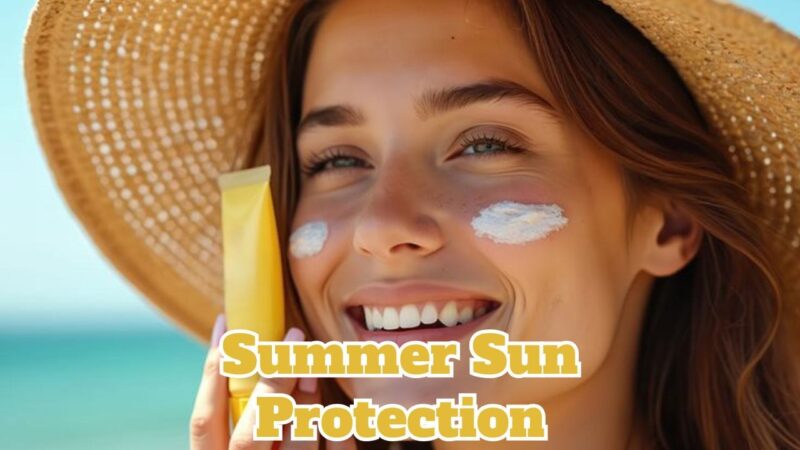
Summer Heat and Skin Protection
While warm weather feels pleasant, excessive heat and intense UV exposure can damage your skin significantly. High temperatures increase oil production, potentially leading to clogged pores and breakouts. Additionally, prolonged sun exposure accelerates premature aging and increases skin cancer risk.
Spring and Fall Advantages
Transitional seasons often provide the best weather for skin because temperatures remain mild and humidity levels stay balanced. These seasons offer perfect conditions for:
- Allowing your skin to recover from seasonal extremes
- Introducing new skincare products without irritation
- Enjoying outdoor activities without excessive sun damage
- Maintaining consistent hydration levels naturally
- Achieving a balanced and radiant complexion
Tips for Adapting Your Skincare to Weather Changes
Regardless of your location, you can optimize your skincare routine to work with current weather conditions. Pay attention to daily weather forecasts and adjust your products accordingly. On humid days, opt for lighter, water based moisturizers that won’t feel heavy. During drier conditions, incorporate hyaluronic acid serums and occlusive ingredients to lock in moisture.
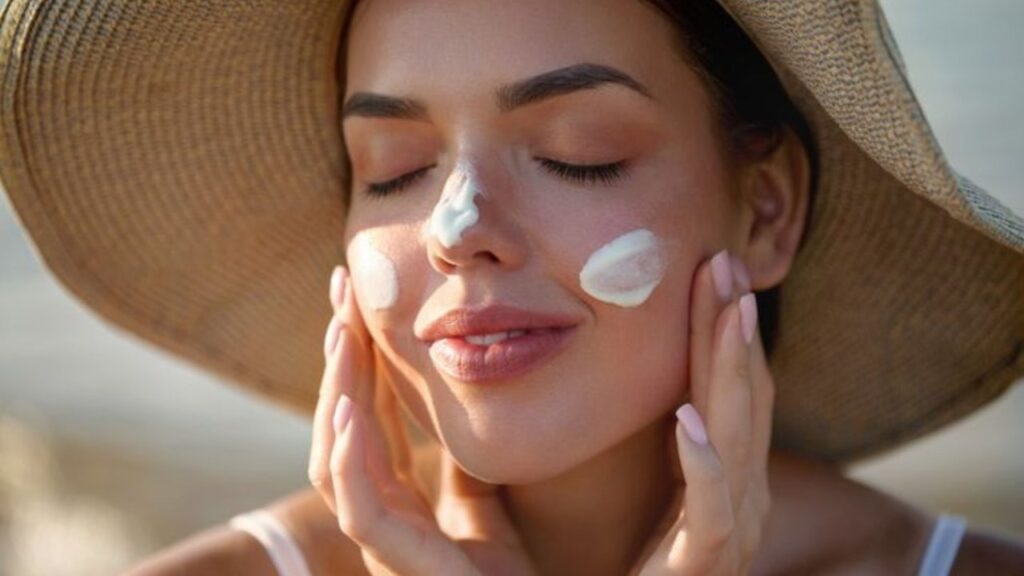
Always protect your skin with broad spectrum sunscreen regardless of weather, as UV rays penetrate clouds and cause damage even on overcast days. Consider your specific skin type when selecting products, as oily and dry skin respond differently to identical weather conditions.
Understanding the best weather for skin empowers you to make informed decisions about skincare and even lifestyle choices like travel destinations that support your complexion goals.
Conclusion
Achieving a radiant complexion requires understanding how climate conditions affect your skin daily. The best weather for skin typically includes mild temperatures with moderate humidity levels that support natural hydration and barrier function. While you cannot always control your environment, you can adapt your skincare routine to work with seasonal changes effectively.
Remember that protecting your skin from UV exposure, maintaining proper moisture balance, and choosing appropriate products for current conditions makes a significant difference. By recognizing the best weather for skin and adjusting accordingly, you empower yourself to maintain healthy, glowing skin throughout every season and climate condition you encounter.