

When temperatures rise, summer skincare for dry skin becomes more challenging than ever. The hot sun, air conditioning, and humidity changes can leave your complexion feeling tight, flaky, and uncomfortable. Many people assume that warm weather automatically means oily skin, but those with parched complexions know the struggle continues year-round.
This comprehensive guide will help you navigate the warmer months with confidence. You’ll discover how to maintain proper hydration, choose the right lightweight moisturizers, and protect your skin with effective SPF protection. We’ll also explore the best hydrating serums and share tips on combating sun damage while keeping your skin barrier healthy. Get ready to achieve a radiant, nourished glow all season long!

Understanding Why Dry Skin Struggles in Summer
Many people believe that summer skincare for dry skin should be easier during warmer months. However, this common misconception leads to neglected routines and worsening skin conditions. The reality is that summer presents unique challenges that can intensify dryness and discomfort.
The Science Behind Summer Dryness
Your skin’s moisture barrier faces constant attacks during summer. Air conditioning removes humidity from indoor environments, while UV exposure breaks down essential lipids in your skin. Additionally, chlorine from swimming pools and salt from ocean water strip away natural oils, leaving your complexion desperate for nourishment.
The combination of sweating and frequent washing also disrupts your skin’s pH balance. When you wash away sweat repeatedly, you remove protective sebum that keeps skin supple and healthy. Understanding these factors helps you develop a more effective approach to maintaining skin hydration throughout the season.
Essential Components of Summer Skincare for Dry Skin
Building an effective routine requires understanding which products and ingredients work best during hot weather. Your summer skincare for dry skin regimen should focus on lightweight yet deeply nourishing formulations.
Choosing the Right Cleanser
A gentle, hydrating cleanser forms the foundation of any successful routine. Avoid foaming products that contain sulfates, as these strip moisture aggressively. Instead, opt for cream or milk based cleansers that clean without compromising your skin’s natural oils.
Key Ingredients to Look For
Hyaluronic acid stands out as the hero ingredient for parched summer skin. This powerful humectant attracts and holds water molecules, providing intense hydration without heaviness. Glycerin and ceramides also work wonders by reinforcing your moisture barrier and preventing transepidermal water loss.
Moisturizers and Serums That Work
Switching from heavy winter creams to lightweight moisturizers makes a significant difference. Gel based formulas and water cream textures absorb quickly while delivering essential nutrients. Layer a hydrating serum underneath your moisturizer for maximum effectiveness.
Your summer skincare for dry skin routine benefits greatly from products containing:
- Squalane for deep nourishment without clogging pores
- Niacinamide to strengthen the skin barrier
- Aloe vera for soothing and cooling properties
- Vitamin E for antioxidant protection
- Peptides to support collagen production
Sun Protection Strategies for Dry Complexions
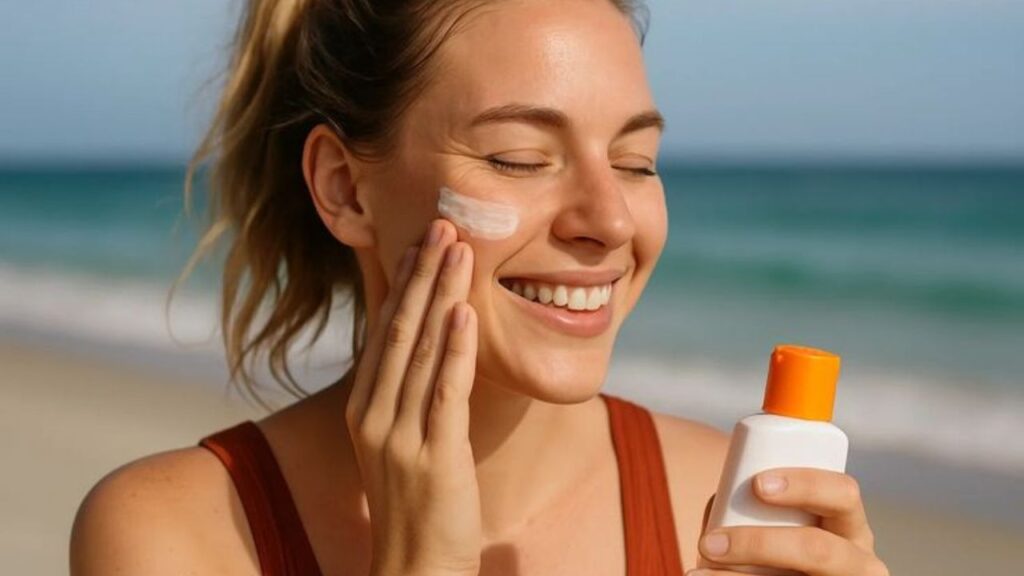
SPF protection remains non negotiable regardless of your skin type. However, those with dryness must choose sunscreens carefully to avoid further irritation and flaking.
Selecting the Perfect Sunscreen
Look for mineral sunscreens containing zinc oxide or titanium dioxide, as these tend to be gentler on sensitive, dry skin. Many modern formulas now include hydrating ingredients that multitask effectively. Use a generous amount every couple of hours while outside, and apply again after taking a swim or perspiring.
Summer skincare for dry skin demands sunscreens that offer:
- Broad spectrum protection against UVA and UVB rays
- SPF 30 or higher for adequate defense
- Added moisturizing ingredients like shea butter
- Fragrance free formulations to prevent irritation
- Water resistant properties for outdoor activities
Lifestyle Tips to Support Your Routine
Beyond topical products, certain habits significantly impact your skin’s hydration levels. Internal hydration through adequate water intake supports external efforts tremendously.
Daily Habits That Make a Difference
Drinking eight glasses of water daily helps maintain skin elasticity and overall health. Using a humidifier indoors counteracts the drying effects of air conditioning. Taking shorter, lukewarm showers instead of hot ones preserves natural oils.
Your diet also influences summer skincare for dry skin outcomes. Consuming foods rich in omega fatty acids like salmon, avocados, and walnuts nourishes skin from within. Limiting alcohol and caffeine reduces dehydration that manifests on your face.
When to Seek Professional Help
Sometimes, despite your best efforts, dry skin persists or worsens. Consulting a dermatologist becomes necessary when you experience severe flaking, cracking, or persistent irritation. Professionals can recommend prescription treatments or identify underlying conditions affecting your complexion.
Conclusion
Achieving healthy, radiant skin during warmer months requires dedication and the right approach. Summer skincare for dry skin involves choosing gentle cleansers, lightweight moisturizers, and proper SPF protection to combat environmental stressors. Remember that hydration works both internally and externally, so drink plenty of water while using products rich in hyaluronic acid and ceramides.
By implementing these strategies consistently, you can maintain a nourished, glowing complexion all season long. Summer skincare for dry skin doesn’t have to feel overwhelming when you understand your skin’s unique needs. Start making these changes today and enjoy comfortable, beautiful skin throughout the summer months.