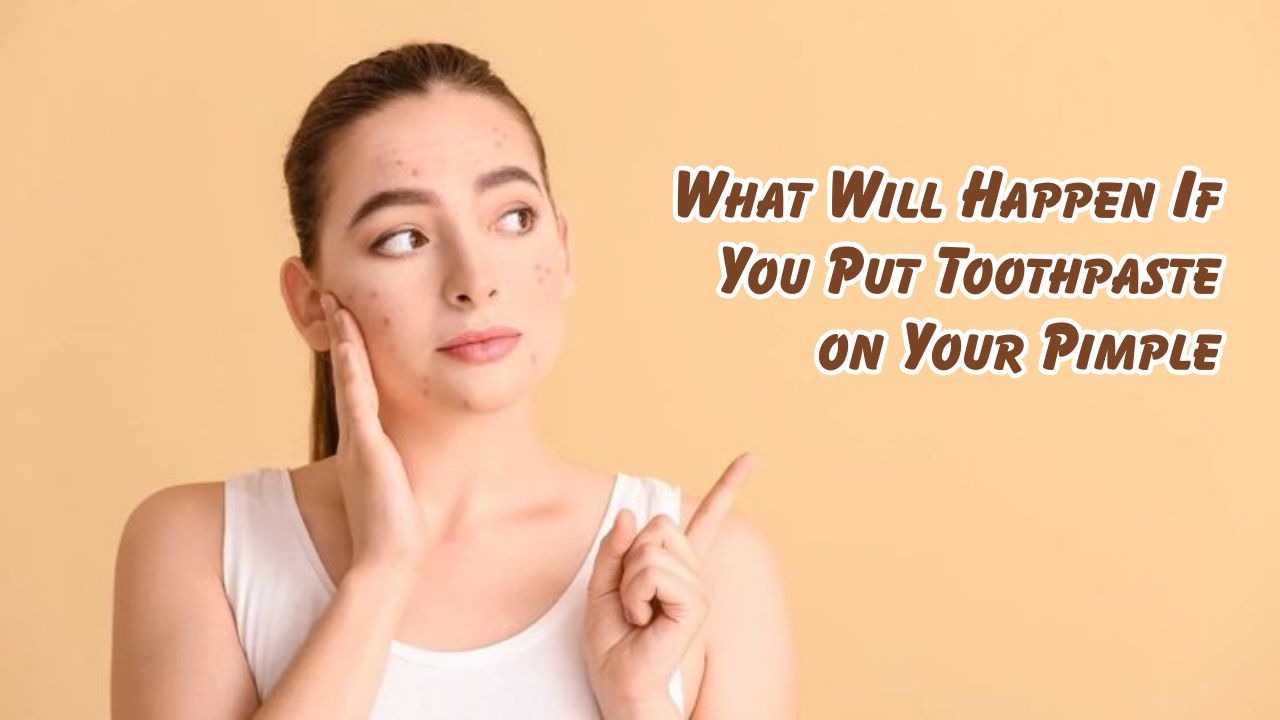
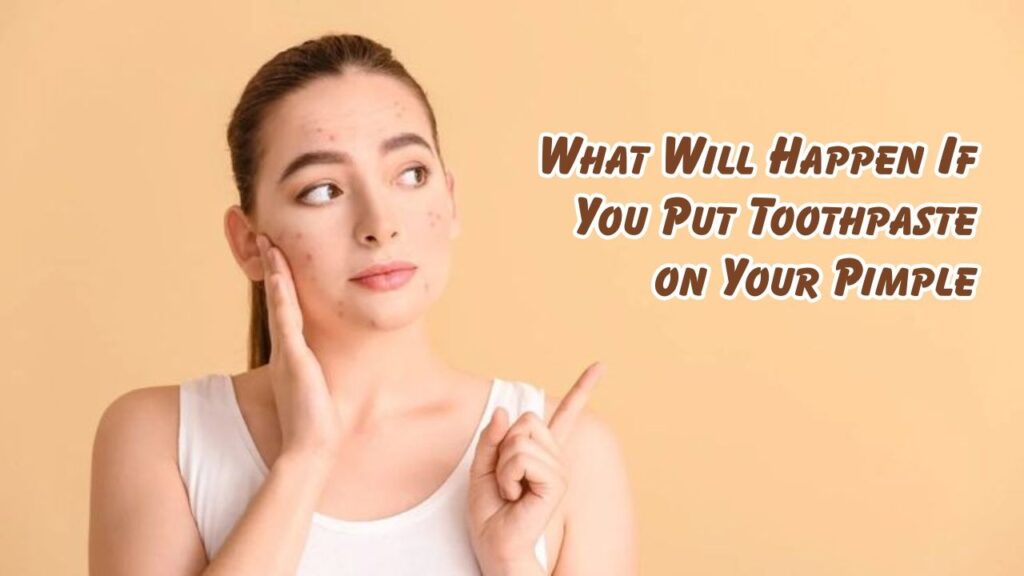
Have you ever wondered what will happen if you put toothpaste on your pimple during a sudden breakout emergency? This popular home remedy has been passed down through generations as a quick fix for acne treatment. Many people swear by this overnight pimple cure, claiming it works like magic. But does science support this skincare hack, or could it actually cause more harm than good?
In this article, we’ll explore the truth behind this viral beauty trick. You’ll discover how toothpaste affects your skin, potential risks like skin irritation, and whether the drying effect truly helps reduce blemishes. We’ll also share safer alternatives that dermatologists actually recommend. Before you reach for that tube tonight, read on to make an informed decision about your skin’s health.
Understanding the Toothpaste on Pimple Trend
The practice of applying toothpaste to acne spots dates back decades before modern skincare products became widely available. People noticed that toothpaste seemed to dry out pimples overnight, leading to this widespread beauty hack. The logic behind what will happen if you put toothpaste on your pimple relates to certain ingredients found in traditional toothpaste formulas.
Toothpaste typically contains baking soda, hydrogen peroxide, and triclosan, which have antibacterial and drying properties. These components were believed to reduce inflammation and eliminate acne causing bacteria. However, understanding the complete picture requires examining both the potential benefits and significant risks involved.
How Does Toothpaste Affect Your Skin?
The Drying Mechanism
When you apply toothpaste to a pimple, the drying agents begin working immediately. Ingredients like baking soda and alcohol absorb excess sebum and oil from the affected area. This creates a temporary shrinking effect that makes the pimple appear smaller by morning.
Chemical Reaction on Skin
The pH level of toothpaste differs significantly from your skin’s natural balance. Your skin maintains a slightly acidic pH around 5.5, while toothpaste is alkaline. This mismatch can disrupt your skin barrier and cause unexpected reactions.
What Will Happen If You Put Toothpaste on Your Pimple Overnight?
Many people experience mixed results when trying this method. Initially, you might notice the pimple becoming drier and less prominent. The menthol and other cooling agents create a tingling sensation that feels like the product is working.
However, what will happen if you put toothpaste on your pimple largely depends on your skin type and sensitivity. Some individuals wake up with reduced redness, while others experience worse conditions than before application.
Potential Short Term Effects
- Temporary reduction in pimple size due to moisture absorption
- Mild tingling or cooling sensation from menthol ingredients
- Formation of a dried crust over the blemish area
- Slight decrease in visible redness and inflammation
- Tightening feeling around the application zone
Risks and Side Effects You Should Know
Why Dermatologists Warn Against This Method
Skin specialists consistently advise against using toothpaste as an acne treatment. The formula designed for teeth contains harsh chemicals that can severely damage facial skin. Understanding what will happen if you put toothpaste on your pimple includes recognizing these serious risks.
Common Negative Reactions
The sodium lauryl sulfate found in most toothpastes strips natural oils aggressively. This can lead to chemical burns, especially on sensitive or broken skin. Additionally, artificial fragrances and whitening agents cause allergic reactions in many users.
Long Term Consequences
- Development of dark spots and hyperpigmentation at application sites
- Increased skin sensitivity and weakened protective barrier
- Potential scarring from chemical irritation and burns
- Worsening of existing acne through pore clogging
- Chronic dryness leading to overproduction of oil
Better Alternatives for Treating Pimples
Dermatologist Approved Options
Instead of risking damage, consider proven spot treatments that actually work. Benzoyl peroxide targets bacteria effectively without harming surrounding skin. Salicylic acid penetrates pores to clear blockages and prevent future breakouts.
Tea tree oil offers a natural alternative with genuine antibacterial properties. Unlike toothpaste, these products are specifically formulated for facial skin and maintain proper pH balance.
Quick Home Remedies That Work
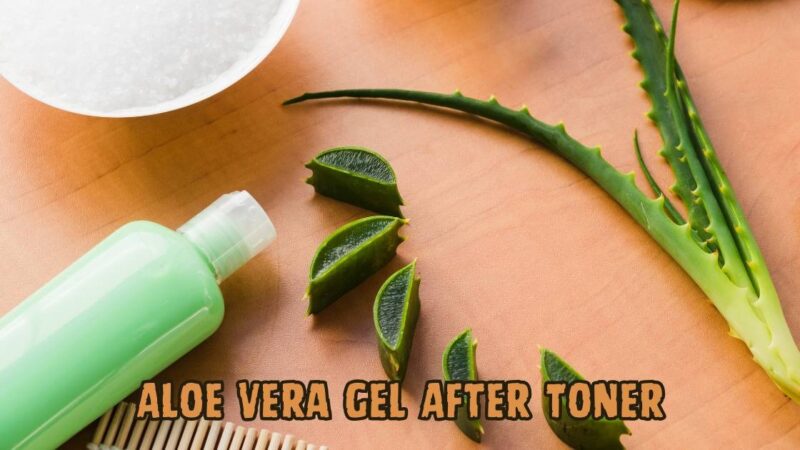
For those preferring natural solutions, ice cubes reduce inflammation safely when wrapped in cloth. Aloe vera gel soothes irritation while providing antimicrobial benefits. These options address pimples without the risks associated with toothpaste application.
Final Verdict on This Popular Hack
While understanding what will happen if you put toothpaste on your pimple might tempt you to try it, the risks outweigh any potential benefits. Modern acne treatments offer safer, more effective solutions backed by scientific research. Your skin deserves products designed specifically for its unique needs rather than improvised remedies that could cause lasting damage.
Conclusion
Understanding what will happen if you put toothpaste on your pimple helps you make smarter skincare choices. While this home remedy might offer temporary drying effects, the risks of skin irritation, chemical burns, and hyperpigmentation make it an unreliable solution. Your facial skin deserves gentle, purposefully formulated treatments rather than harsh dental products.
Instead, opt for proven acne treatments like benzoyl peroxide, salicylic acid, or natural alternatives such as tea tree oil. These options effectively target blemishes without compromising your skin barrier. Prioritize your long term skin health by choosing safe, dermatologist recommended products for clearer, healthier skin.