

Discovering the best way to lighten melasma can feel overwhelming when you’re dealing with stubborn dark patches on your face. This common skin condition affects millions worldwide, causing hyperpigmentation that impacts confidence and self-esteem. Whether you’ve developed melasma during pregnancy, from sun exposure, or hormonal changes, finding effective solutions is essential for achieving an even skin tone.
In this comprehensive guide, we’ll explore proven melasma treatments that actually work from topical creams and professional procedures to natural remedies and lifestyle changes. You’ll learn about the best way to lighten melasma safely while preventing future flare-ups. We’ll also discuss the importance of sun protection and how to build an effective skincare routine. By the end, you’ll have a clear roadmap to brighter, more radiant skin.

Understanding Melasma: What Causes Those Dark Patches?
Melasma presents as a widespread skin disorder that produces dark brown or gray discolored areas, primarily developing on facial skin. These patches most often develop on the cheeks, forehead, chin, and upper lip. Understanding what triggers melasma is the first step toward finding the best way to lighten melasma effectively.
Primary Causes of Melasma
The exact cause involves melanin overproduction in certain areas of the skin. Several factors contribute to this condition, including hormonal fluctuations during pregnancy or while taking birth control pills. UV exposure remains the most significant trigger, as sunlight stimulates melanocytes to produce excess pigment. Genetics also play a crucial role, with those having darker skin tones being more susceptible.
Topical Treatments That Actually Work
When searching for the best way to lighten melasma, topical treatments often serve as the first line of defense. These products function by blocking melanin formation while encouraging faster renewal of skin cells.
Prescription Strength Options
Hydroquinone remains the gold standard for treating melasma, available in both prescription and over the counter formulations. This powerful ingredient blocks the enzyme responsible for melanin production. Dermatologists often recommend combining hydroquinone with tretinoin and a mild corticosteroid, known as the triple combination therapy.
Over the Counter Alternatives
For those preferring gentler options, several effective ingredients provide results:
- Vitamin C acts as a powerful antioxidant that brightens skin and fades discoloration
- Niacinamide reduces melanin transfer to skin cells while strengthening the barrier
- Azelaic acid offers antibacterial properties alongside pigment reducing benefits
- Kojic acid derived from fungi effectively inhibits tyrosinase production
- Arbutin provides a natural alternative to hydroquinone with fewer side effects
Professional Procedures for Stubborn Melasma
Sometimes topical treatments alone aren’t enough, making professional interventions the best way to lighten melasma for persistent cases.
Chemical Peels
Chemical peels use acids to remove damaged outer skin layers, revealing fresher skin beneath. Glycolic acid and salicylic acid peels work particularly well for melasma treatment. These procedures require multiple sessions and proper aftercare to prevent post inflammatory hyperpigmentation.
Laser and Light Therapies
Modern laser treatments offer promising results for melasma sufferers. Fractional lasers target pigmented cells without damaging surrounding tissue. However, laser therapy requires an experienced practitioner, as improper use can worsen melasma. Intense pulsed light therapy provides another option that addresses multiple skin concerns simultaneously.
Essential Prevention Strategies
Finding the best way to lighten melasma means nothing without proper prevention measures. Protecting your skin from triggers ensures long lasting results.
Sun Protection Is Non Negotiable
Broad spectrum sunscreen with SPF 30 or higher should become your daily essential. Use a generous amount each morning and apply again every two hours during outdoor activities. Physical sunscreens containing zinc oxide or titanium dioxide offer superior protection for melasma prone skin. Wearing wide brimmed hats and seeking shade provides additional defense against harmful rays.
Lifestyle Modifications
Managing hormonal balance through consultation with healthcare providers helps control melasma triggers. Switching from oral contraceptives to alternative birth control methods may reduce flare ups. Incorporating antioxidant rich foods into your diet supports overall skin health and healing.
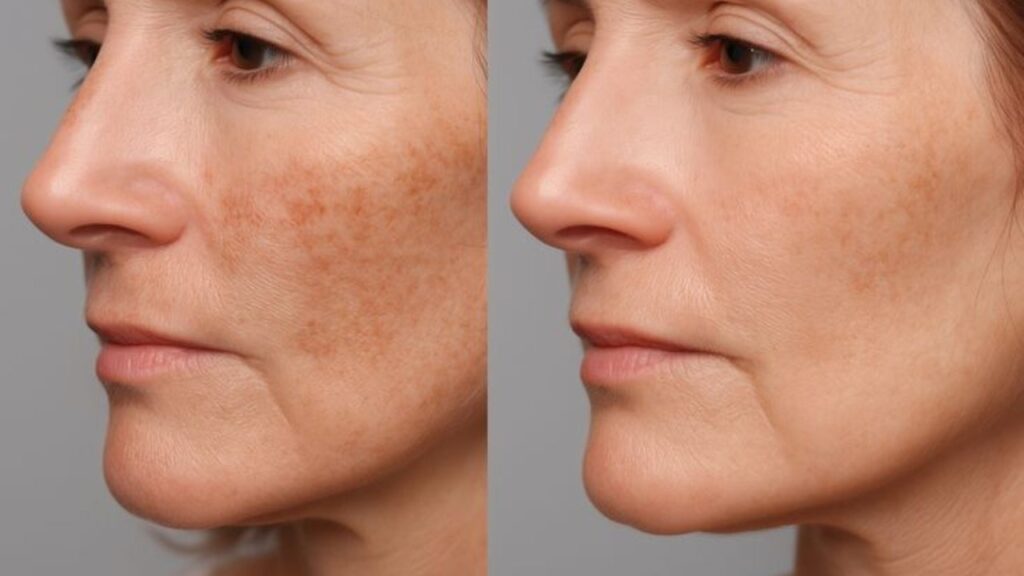
Building Your Melasma Treatment Routine
Creating a consistent skincare routine represents the best way to lighten melasma over time. Follow these essential steps:
- Cleanse gently with a sulfate free cleanser morning and evening
- Apply your chosen brightening serum containing active ingredients
- Moisturize with a product containing ceramides for barrier support
- Never skip sunscreen during daytime, regardless of weather
- Use prescription treatments as directed by your dermatologist
Setting Realistic Expectations
Treating melasma requires patience and consistency. Most people notice improvement within eight to twelve weeks of dedicated treatment. Complete clearance may take several months, and maintenance therapy often becomes necessary. Working with a board certified dermatologist ensures you receive personalized recommendations suited to your skin type and melasma severity. Remember that what works for one person may not work for another, so remain open to adjusting your approach as needed.
Conclusion
Finding the best way to lighten melasma involves a combination of effective treatments, consistent skincare habits, and diligent prevention strategies. From topical treatments like hydroquinone and vitamin C to professional procedures such as chemical peels and laser therapy, multiple options exist for achieving clearer skin. Remember that sun protection remains your most powerful tool in preventing future flare ups. While melasma requires patience and dedication, significant improvement is absolutely achievable. Consult a dermatologist to create a personalized treatment plan that addresses your unique skin concerns. Start your journey toward an even skin tone today and embrace the confidence that comes with healthier, brighter skin.