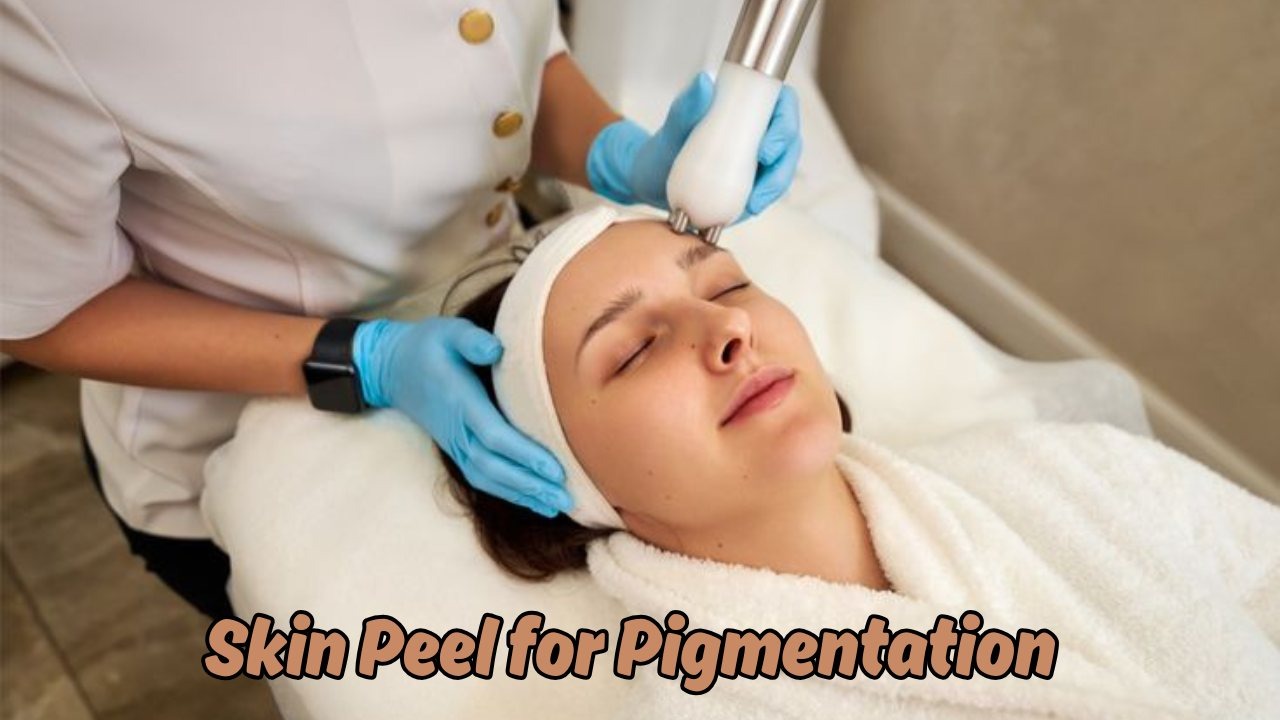
A skin peel for pigmentation might be the solution you’ve been searching for. Whether caused by sun damage, hormonal changes, or aging, uneven skin tone affects millions of people worldwide. This treatment works by gently exfoliating damaged layers, revealing fresher, more radiant skin beneath.
In this comprehensive guide, we’ll explore how chemical peels target hyperpigmentation, the different types available, and what results you can realistically expect. You’ll also learn about at-home options versus professional treatments, potential side effects, and essential aftercare tips to maximize your results. If achieving a brighter complexion and reducing visible dark spots sounds appealing, keep reading to discover everything you need to know about this popular skincare solution.
What Is a Skin Peel for Pigmentation?
A skin peel for pigmentation is a cosmetic treatment that uses specially formulated acids to remove damaged outer layers of skin. This controlled exfoliation process encourages cell turnover and helps fade discoloration caused by melanin overproduction. The treatment has become increasingly popular among those seeking clearer, more even toned skin without invasive procedures.
Depending on their concentration, these treatments can target the surface epidermis or extend deeper into the dermis layer. As old skin sheds, newer cells replace them, resulting in reduced visibility of dark patches, age spots, and melasma. Dermatologists and skincare professionals have used this method for decades with consistently positive outcomes.
How Does This Treatment Work?
The Science Behind Chemical Exfoliation
When you apply a skin peel for pigmentation, the active ingredients dissolve the bonds between dead skin cells. This process triggers your body’s natural healing response, stimulating collagen production and fresh cell generation. The newly formed skin contains less concentrated melanin, which translates to a more uniform appearance.
What Happens During Treatment
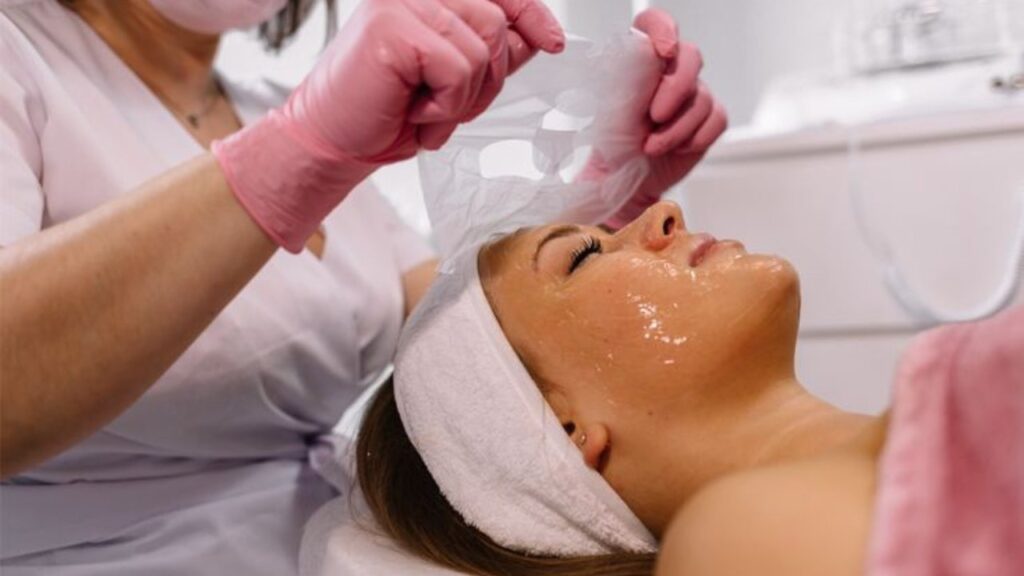
The procedure typically begins with thorough cleansing. Your skincare professional then applies the peel solution, which remains on your skin for a specific duration. You may experience mild tingling or warmth. Afterward, a neutralizing agent stops the chemical reaction, and soothing products calm the treated area.
Types of Peels for Treating Pigmentation
Superficial Peels
These gentle options use alpha hydroxy acids like glycolic or lactic acid. They target the outermost skin layer and require minimal downtime. Ideal for mild discoloration and dull complexion, superficial peels often need multiple sessions for optimal results.
Medium Depth Peels
Trichloroacetic acid peels penetrate deeper, addressing moderate pigmentation concerns. They offer more dramatic improvement but require longer recovery periods. This option suits those with persistent sun spots or post inflammatory hyperpigmentation.
Deep Peels
Reserved for severe cases, deep peels use stronger formulations like phenol. They provide significant transformation but carry higher risks and extended healing times. Medical supervision is essential for these treatments.
Key Benefits of Chemical Peels for Discoloration
Choosing a skin peel for pigmentation offers numerous advantages for your complexion.
- Reduces visible dark spots and patches effectively
- Improves overall skin texture and smoothness
- Stimulates natural collagen for firmer skin
- Enhances absorption of other skincare products
- Provides relatively quick results compared to topical creams alone
Potential Challenges and Considerations
While highly effective, these treatments aren’t without drawbacks. Understanding potential concerns helps you make informed decisions.
- Temporary redness and sensitivity following treatment
- Risk of further pigmentation if sun protection isn’t maintained
- Multiple sessions may be necessary for desired outcomes
- Not suitable for all skin types without proper assessment
- Requires commitment to proper aftercare routines
Who Should Consider This Treatment?
A skin peel for pigmentation works well for individuals experiencing hormonal pigmentation, sun damage, or acne scars with discoloration. However, those with active skin infections, extremely sensitive skin, or certain medical conditions should consult professionals before proceeding. Pregnant women typically need to postpone treatment until after delivery.
Essential Aftercare Tips
Protecting Your Results
Following your skin peel for pigmentation, proper care ensures lasting benefits. Always apply broad spectrum SPF 30 or higher daily, even on cloudy days. Avoid direct sunlight during peak hours and wear protective clothing when outdoors.
Supporting Healing
Keep your skin hydrated with gentle, fragrance free moisturizers. Resist the urge to touch or remove flaking skin manually, since this may lead to permanent scarring. Skip harsh exfoliants and active ingredients like retinol until fully healed. Stay patient during the recovery process, as rushing can compromise your results.
Professional Versus At Home Options
Professional treatments offer stronger formulations and expert supervision, making them ideal for moderate to severe concerns. At home peels provide convenient maintenance between appointments but deliver milder results. Many skincare experts recommend combining both approaches for comprehensive pigmentation management and long term skin health.
Conclusion
Achieving a brighter, more even complexion is absolutely possible with the right approach. A skin peel for pigmentation offers an effective solution for addressing dark spots, melasma, and sun damage that topical products alone cannot always resolve. By understanding the different peel types, following proper aftercare protocols, and maintaining consistent sun protection, you can enjoy lasting results.
Whether you choose professional treatments or at home options, patience and commitment remain essential. Consult a qualified dermatologist or skincare specialist to determine which skin peel for pigmentation suits your unique concerns. Take the first step today toward the radiant, healthy skin you deserve.