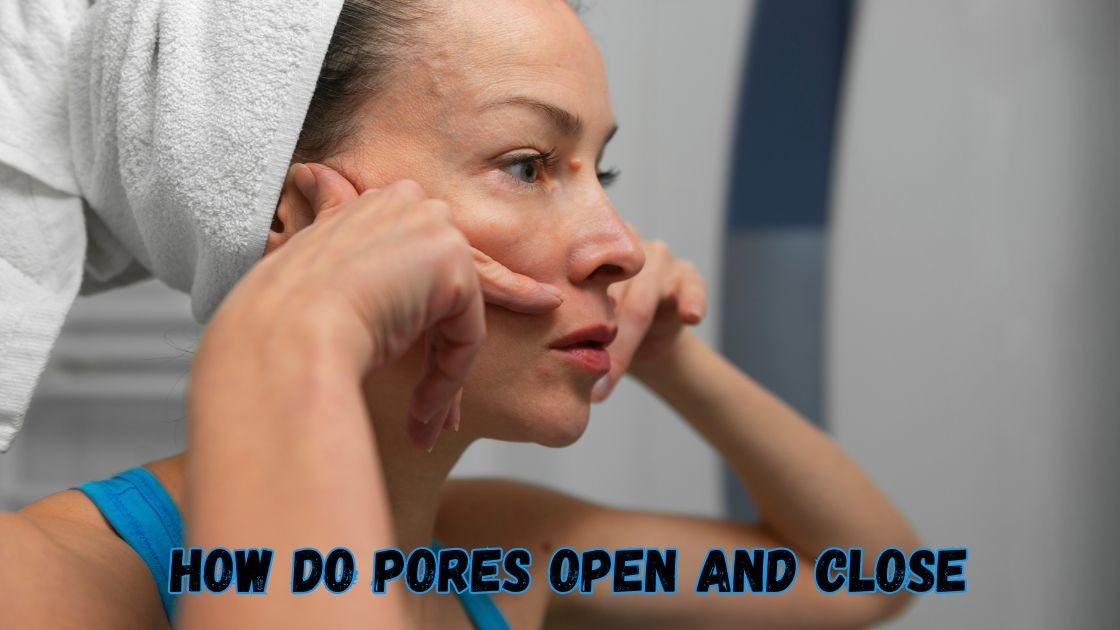
Have you ever wondered how do pores open and close on your face? This common skincare question has sparked countless myths and debates among beauty enthusiasts worldwide. Understanding your skin pores is essential for maintaining a healthy, glowing complexion and building an effective skincare routine.
In this comprehensive guide, we’ll explore the fascinating science behind pore function and reveal what actually happens when you apply steam treatment or splash cold water on your face. You’ll discover the truth about pore behavior, learn practical tips for minimizing their appearance, and understand how factors like sebum production and skin elasticity affect your overall skin health. Let’s dive into the real facts and separate science from fiction.
Understanding the Science Behind Skin Pores
Before exploring how do pores open and close, it’s important to understand what pores actually are. Pores are tiny openings on your skin’s surface that house hair follicles and sebaceous glands. These microscopic channels allow your skin to breathe, release natural oils, and regulate temperature through sweat.
Every person has approximately 20,000 pores on their face alone. The size and visibility of your pores depend largely on genetics, age, and overall skin condition. While many believe pores have muscles that contract and expand, the reality is quite different from popular skincare myths.
The Truth About Pore Function
The question of how do pores open and close has a surprising answer. Scientifically speaking, pores don’t actually open and close like doors. They lack muscular structures that would allow such movement. What people perceive as pores opening is actually the relaxation of surrounding skin tissue due to heat or steam exposure.
When you apply warmth to your face, the skin tissue softens and becomes more pliable. This makes pores appear larger and allows for easier extraction of blackheads and debris. Conversely, cold temperatures cause temporary skin tightening, making pores seem smaller without actually changing their physical size.
How Temperature Affects Pore Appearance
Warm Water and Steam Effects
Applying warm water or steam to your face creates several beneficial effects on your skin. The heat increases blood circulation, which brings more oxygen and nutrients to skin cells. Additionally, warmth softens the sebum and dead skin cells trapped inside pores, making cleansing more effective.
Many estheticians recommend steam facials because the softened debris becomes easier to remove. This process doesn’t mean pores have opened but rather that the contents within them have become more accessible for extraction.
Cold Water Benefits
Cold water causes vasoconstriction, which temporarily tightens the skin and reduces pore visibility. This effect creates a smoother, more refined appearance that many people desire. However, this tightening is temporary and doesn’t permanently change pore size.
Factors That Influence Pore Size
Understanding how do pores open and close also means recognizing what truly affects their appearance. Several factors determine how prominent your pores look throughout the day and over time.
- Genetics play the most significant role in determining your natural pore size
- Age causes loss of collagen and elastin, making pores appear larger
- Sun damage breaks down skin proteins and increases pore visibility
- Excess oil production can stretch pores and make them more noticeable
- Clogged pores from dirt and makeup accumulation appear enlarged
Tips for Minimizing Pore Appearance
While you cannot change how do pores open and close or permanently shrink them, you can take steps to minimize their appearance and maintain healthy skin.
Daily Skincare Practices
Consistent cleansing removes excess oil, dirt, and makeup that can accumulate in pores. Using products containing salicylic acid or glycolic acid helps exfoliate dead skin cells and keep pores clear. Always apply sunscreen to protect against UV damage that enlarges pores over time.
Retinoids are excellent for improving overall skin texture and reducing pore visibility. These vitamin A derivatives increase cell turnover and boost collagen production, which helps tighten the skin around pores.
Professional Treatments
For more dramatic results, consider professional treatments that address pore concerns effectively.
- Chemical peels remove dead skin layers and improve texture
- Microdermabrasion buffs away surface impurities
- Laser treatments stimulate collagen for tighter skin
- Microneedling promotes natural healing and skin renewal
- Professional extractions safely remove deep seated blockages
Common Myths Debunked
Many people misunderstand how do pores open and close because of widespread misinformation. Ice cubes don’t permanently close pores, and hot towels don’t permanently open them. These treatments only create temporary visual changes.
Pore strips may remove surface debris but won’t change actual pore size. Similarly, expensive pore minimizing products can only create temporary tightening effects rather than structural changes to your skin.
Conclusion
Understanding how do pores open and close reveals an important skincare truth: pores don’t actually have muscles to physically open or close. Instead, temperature changes affect surrounding skin tissue, creating the illusion of size changes. While you cannot permanently alter your pore size, maintaining a consistent skincare routine with proper cleansing, exfoliation, and sun protection significantly improves their appearance.
Focus on keeping pores clear rather than trying to shrink them. By embracing realistic expectations and using proven skincare products, you can achieve a smoother, healthier complexion. Remember, beautiful skin comes from understanding and working with your skin’s natural functions.